🏠 Designing smart home interfaces
As the core designer for MOTIV at Wygwam (a division of NIKO), I am responsible for the majority of the platform’s interfaces across wall-mounted devices, mobile apps, and future configuration software. I work largely autonomously, refining and iterating designs on a weekly basis, and presenting demos to Product Managers and stakeholders to ensure alignment with business and technical goals.
MOTIV enables users to control all aspects of their building environment — lighting, floor heating, automatic blinds, garages, warmtepumps, thermostats, car chargers, routines, and much more. The first phase centered on a fixed wall-mounted device, which required careful attention to display size, viewing angles, contrast, and physical button integration. I designed the interface to support physical button assignments, creating a seamless blend of hardware and software interactions, and ensuring usability in real-world lighting conditions.
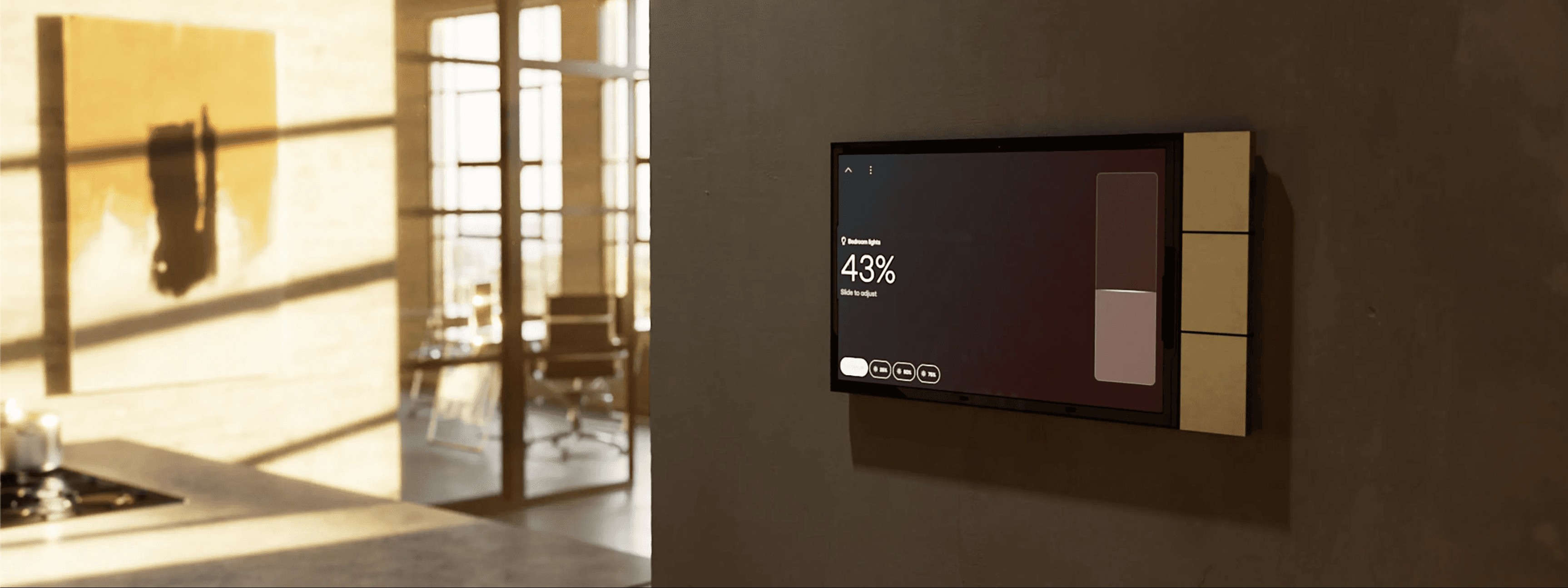
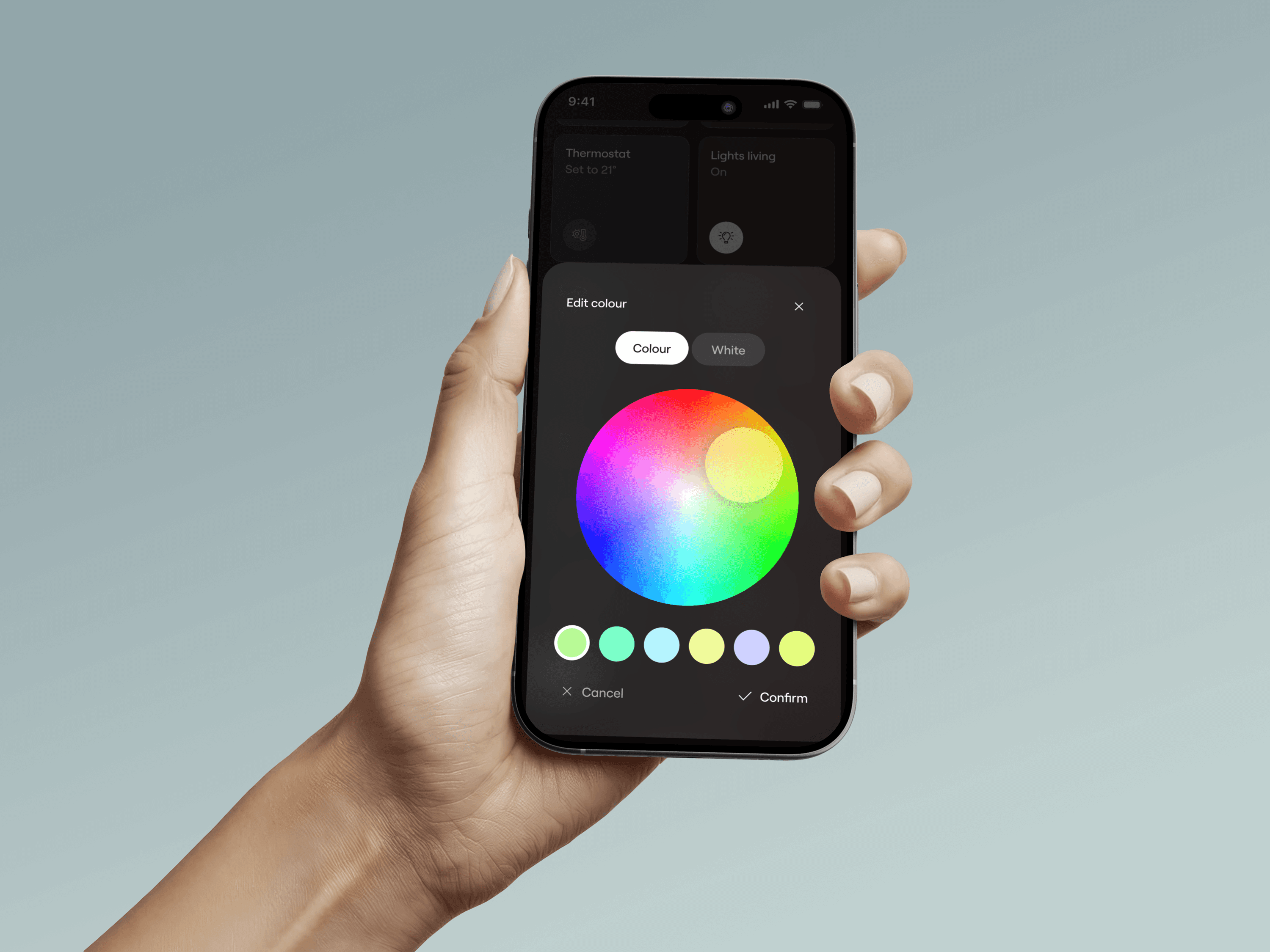
In parallel, I began designing the mobile app, translating the logic and interaction patterns from the wall device while accounting for mobile-specific constraints and conveniences. Native iOS and Android widgets are being designed to provide quick, contextual control, maintaining consistency across platforms. Looking ahead, I will also work on the building configuration tool, simplifying complex installer workflows, potentially using 3D building renders and a V0 UI kit built with Shadcn for rapid prototyping.
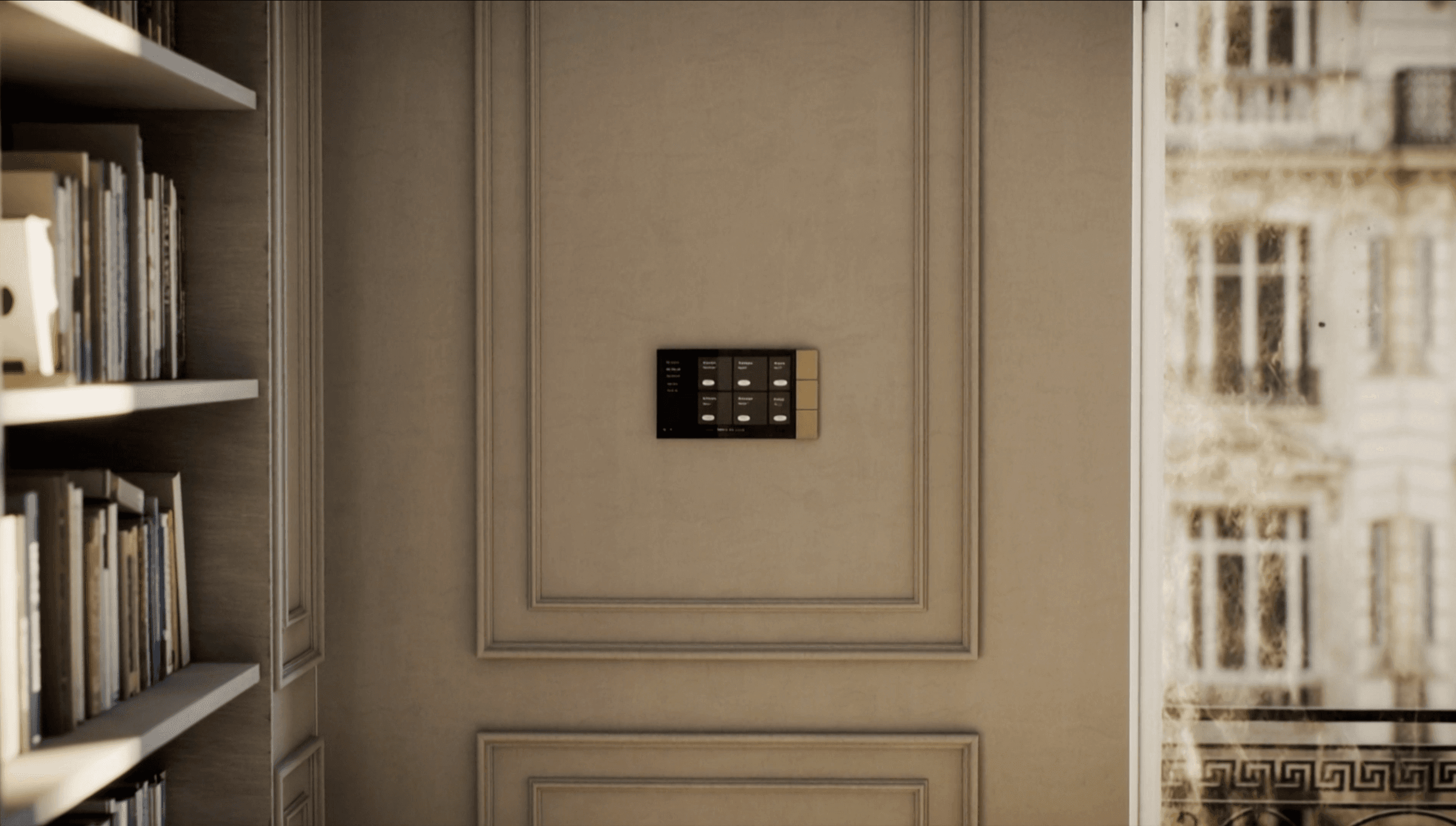
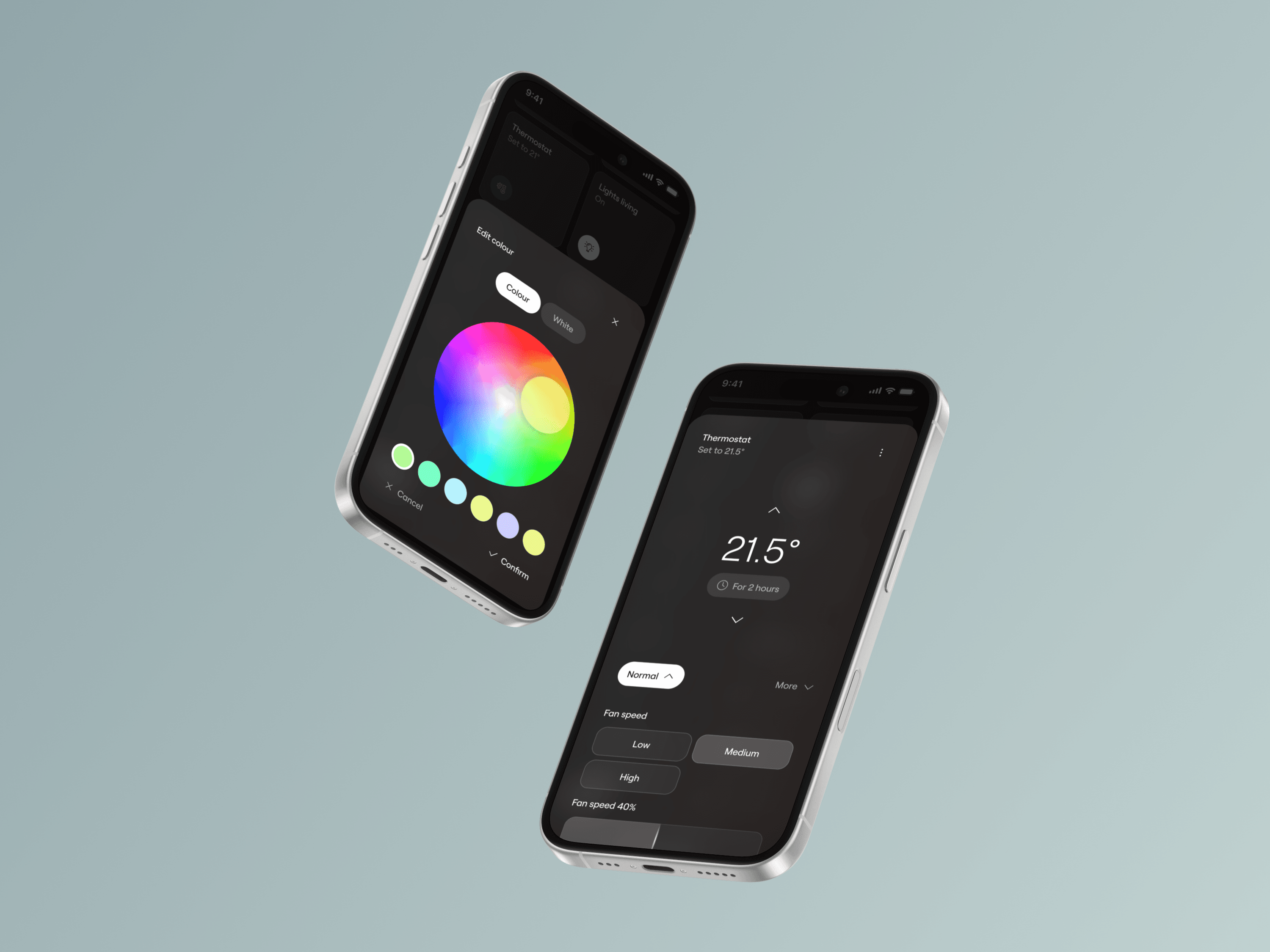
While the core structure of the mobile app is established, the interface is currently in a crucial iterative phase. For the primary controls, I have implemented a system of fly-outs inspired by native Apple interaction patterns. This approach ensures that granular adjustments—such as dimming levels or heat pump setpoints—feel intuitive and responsive, providing deep functionality without cluttering the main user path.
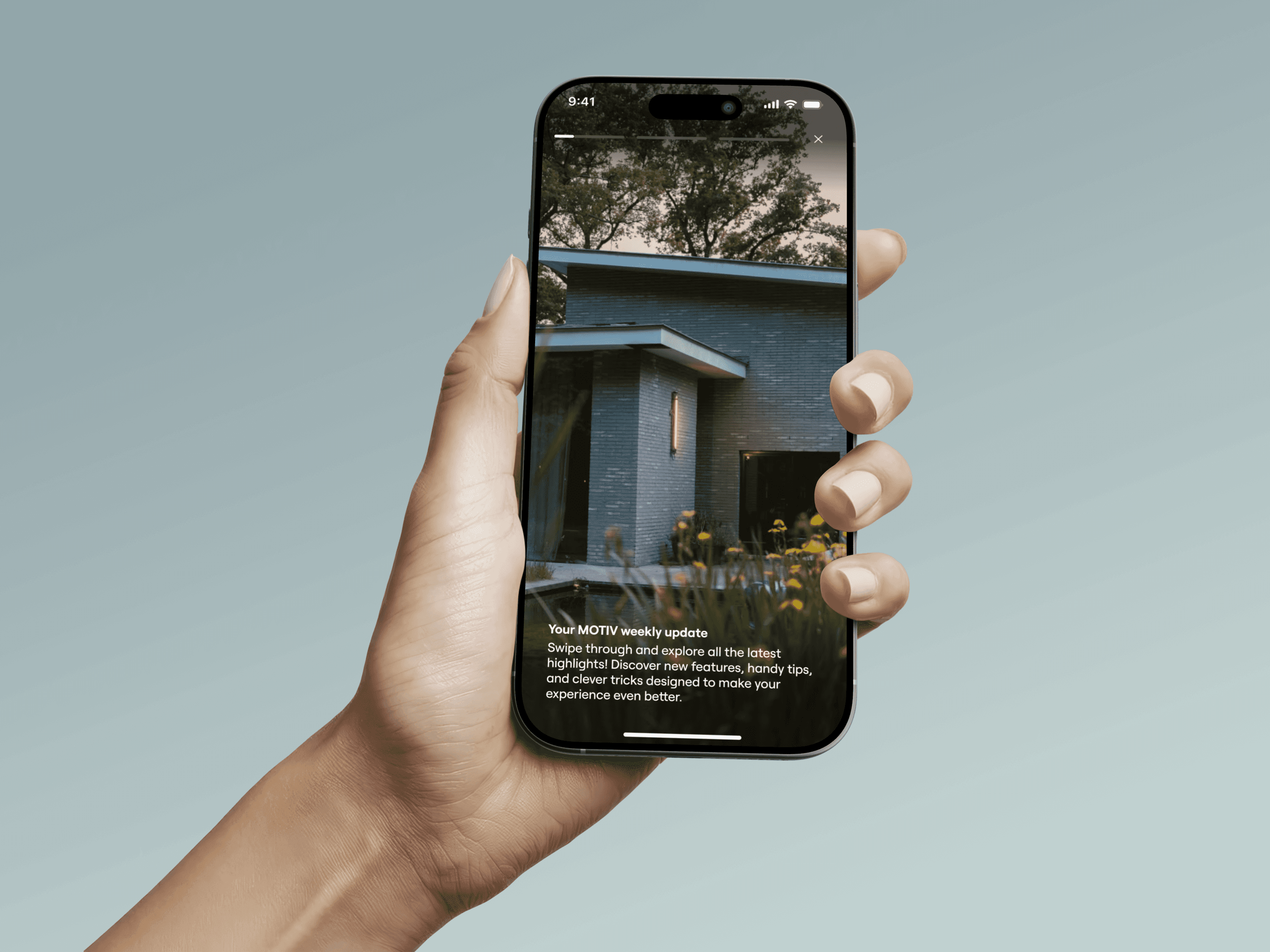
The current focus remains on perfecting the 'Level 1' views: the high-level dashboards that communicate the building’s overall status at a glance. This part of the project is actively a work in progress, as I balance high information density with visual clarity. The challenge lies in translating the robust logic of the wall-mounted device into a dynamic mobile experience that feels both powerful and effortless for the end-user.
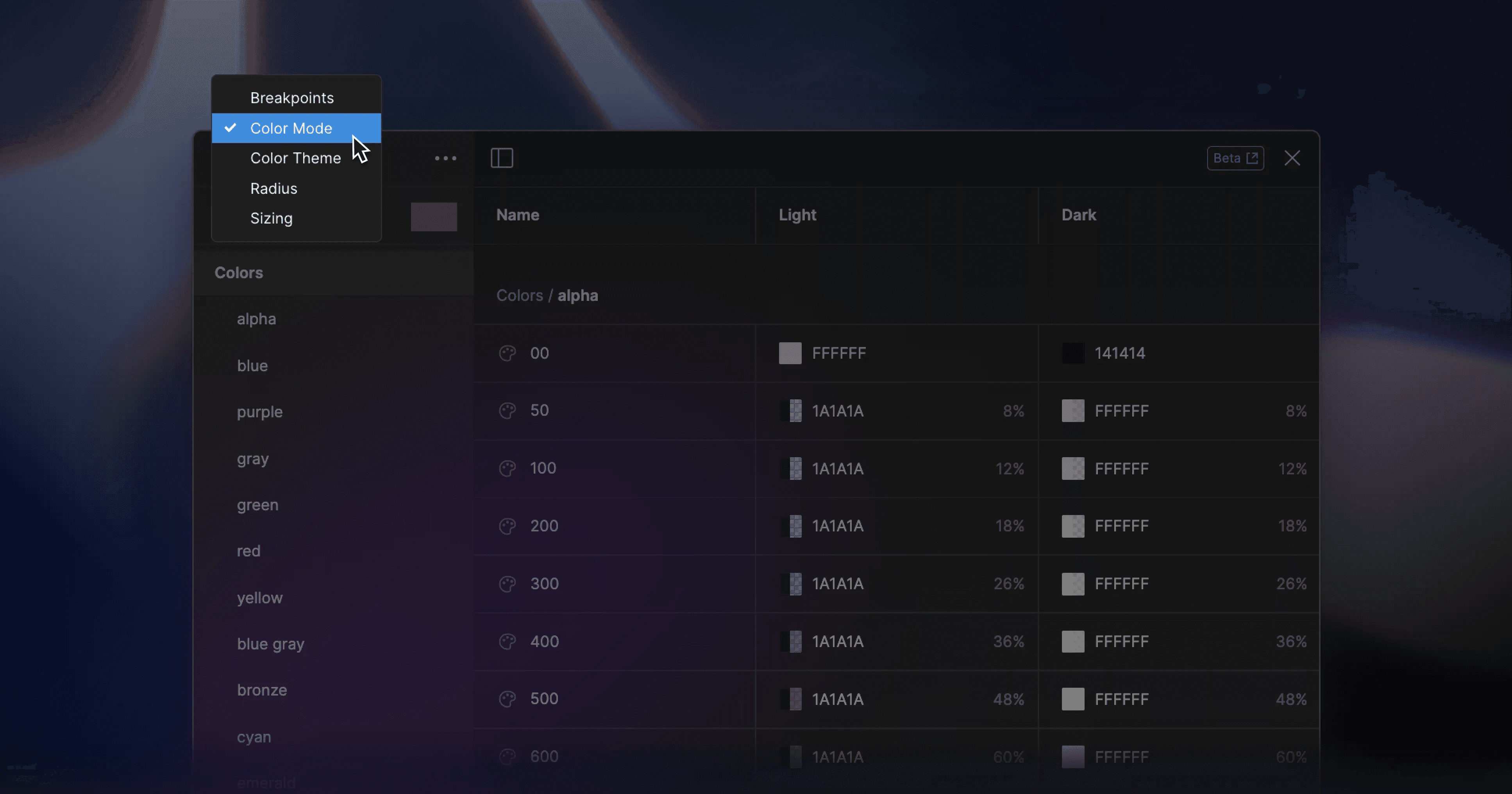
A key part of my role has been developing the complete design system for MOTIV. This includes component libraries, reusable UI patterns, and token-based theming that allows the interface to scale across multiple platforms while maintaining visual consistency and adaptability. Every interaction, spacing, and color is defined via tokens to ensure alignment with brand guidelines and hardware constraints, making future iterations faster and more reliable.
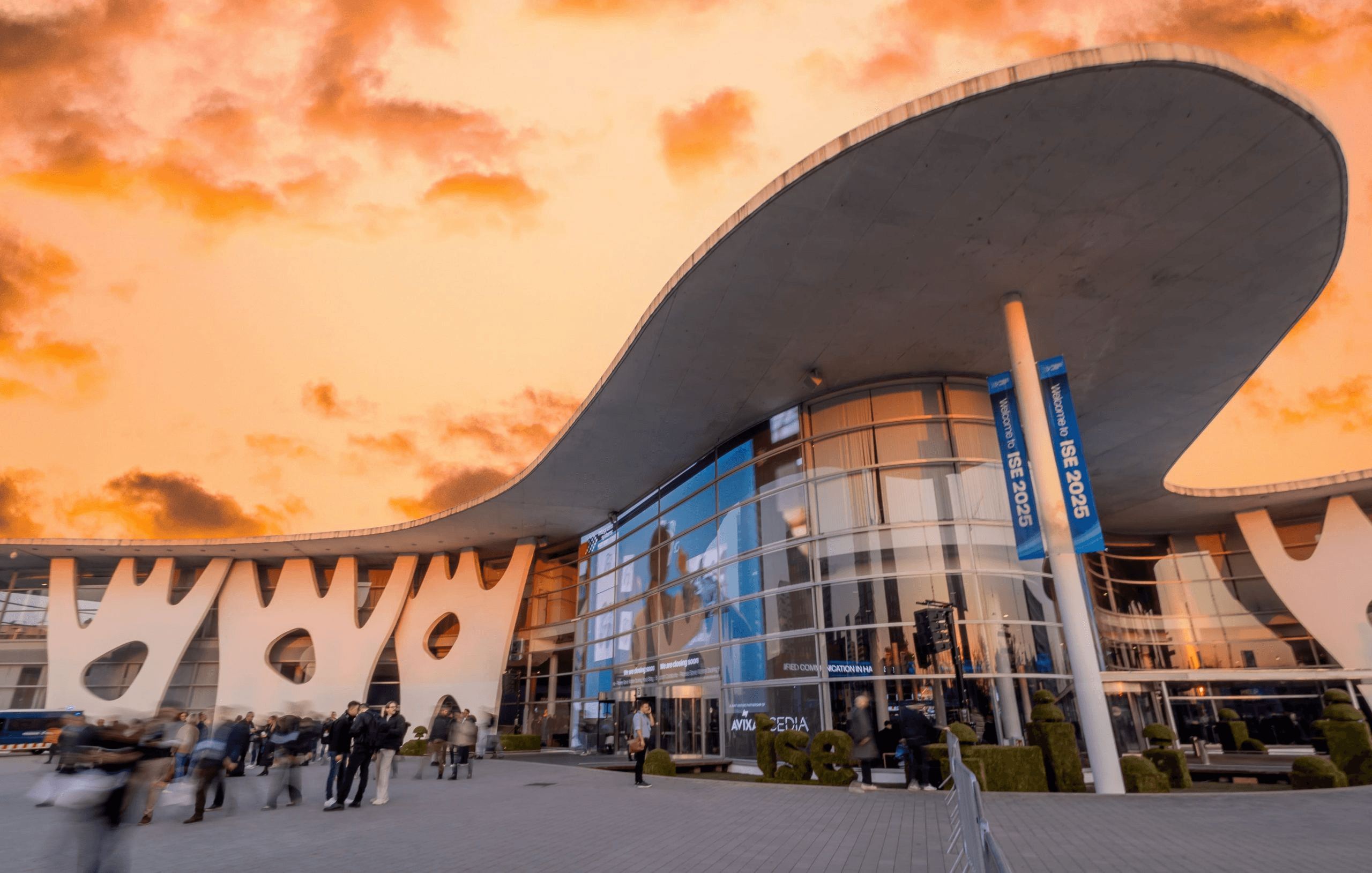
I collaborate closely with the Design Lead, CQ Head of Design, Product Managers, and a cross-functional team of 8–10 developers spanning embedded, cloud, hardware, and software disciplines. Weekly refinement sessions and demos ensure design decisions consider both technical feasibility and user experience. The first version of the wall-mounted device is complete and was showcased at ISE in Barcelona, marking MOTIV’s initial launch.
Designing for MOTIV requires balancing hardware limitations, screen ergonomics, and immersive user interactions, while planning for scalable software and mobile integration. The project demonstrates how careful interface design, a robust design system, and consistent tokenized theming enable a seamless, end-to-end home automation experience.